Global Entrepreneurship Week 2026
Global Entrepreneurship Week arrives every November with its launches, awards and announcements, and I enjoy all of it. This year’s theme, ‘The World Needs What You Build’ resonates strongly because some of the most important things young people build are not immediately visible: confidence, curiosity and a growing sense that their ideas might be worth something.
What pleases me even more is how much entrepreneurial learning now happens throughout the year. The Curriculum for Wales asks schools to help every learner become an enterprising, creative contributor, and I’m seeing this reflected in the way schools and colleges increasingly invite people back to work with students over time, rather than for a single visit. A week of celebration matters, particularly when it reflects work that carries on all year.
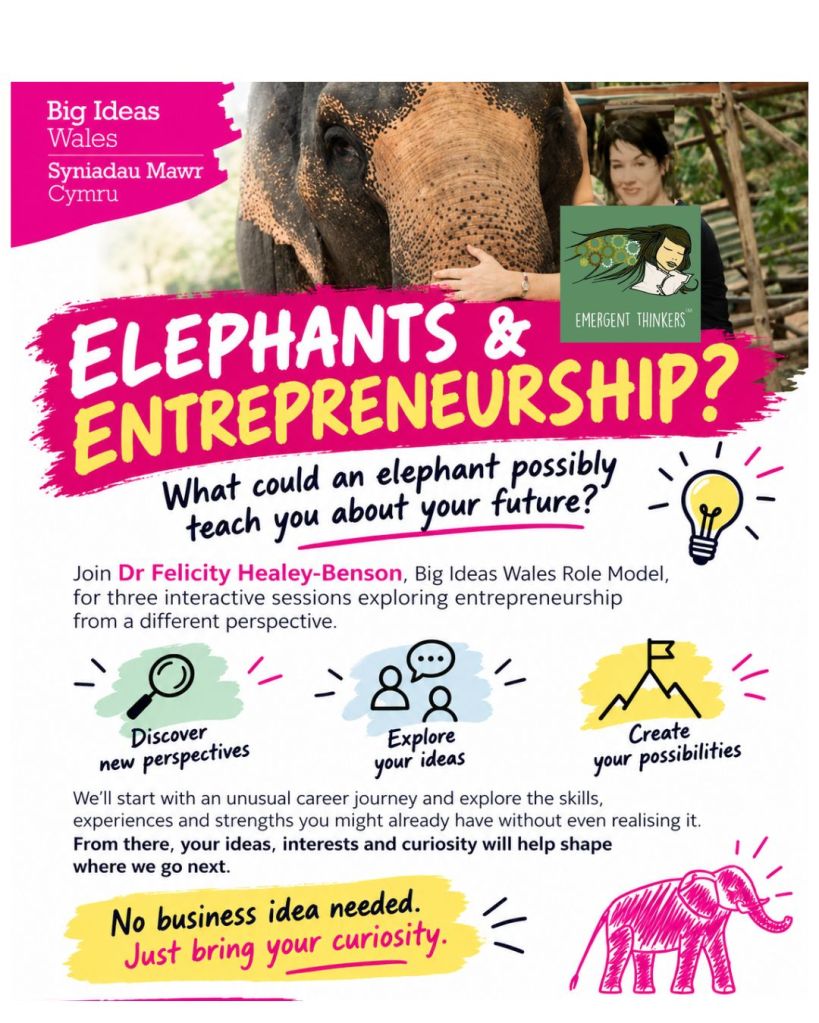
Over the past few months, I’ve been working with secondary schools and colleges across Swansea, Carmarthenshire, Pembrokeshire and Neath Port Talbot, both through Emergent Thinkers and as a Big Ideas Wales Role Model. This week I’m back at Neath Port Talbot College, followed closely by Gowerton School, continuing my workshop series and looking forward to picking up conversations started earlier in the term.
I usually begin by asking what comes to mind when students hear the word entrepreneurship. Billion-dollar start-ups? Tech geniuses? We take a show of hands and return to it at the end. Then I ask what an elephant could possibly teach them about their future.
Early in my working life, I trained as a mahout in Thailand, where I was paired with Lao Tong, an elephant with her own history and very much her own personality. I had to learn her sounds and body signals, listen carefully to my Thai colleagues and accept that trust would develop at her pace rather than mine. It took weeks of persistence, and ultimately it was my own approach that had to change.
The lesson I took from Lao Tong, and still share with students, is that understanding comes before influence. I had no idea then how often I would draw on it in change management, teaching, research and building my own ventures.
That story leads into a distinction I’ve found useful throughout my career. Enterprise is everyday problem-solving, while entrepreneurship is using those capabilities to create something new that helps others.
My working life has involved plenty of both. Some years have been about adapting, rebuilding and responding to change. Others have involved creating something new, whether Emergent Thinkers, the Harmonious Entrepreneurship Society with Professor David Kirby, or Harmonious Heroes, where five Llanelli schools worked alongside local businesses and practitioners on everything from green skills to heritage and creative technology. Both kinds of experience have shaped me, and I want students to know that both count.
The EntreComp framework, which has informed much of my work since the EntreCompEdu project, describes entrepreneurship as turning ideas and opportunities into value for others. That value can be social, cultural or environmental as well as financial. For a seventeen-year-old weighing up university, an apprenticeship or employment, that broader understanding can open up possibilities. It is also central to my research into harmonious entrepreneurship: creating value while considering people, communities and the planet alongside economic outcomes.
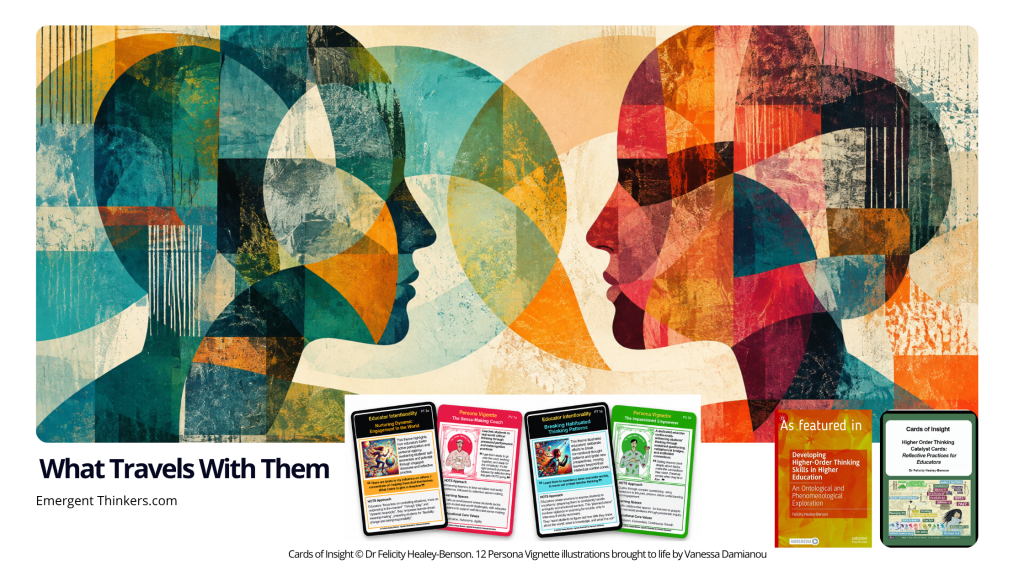
The part of my sessions I care about most comes towards the end. Many young people have already developed enterprising capabilities without necessarily recognising them, through part-time jobs, family responsibilities, caring for someone, friendships or navigating difficult experiences. So we work through it together. What have you done? What did it require of you? What does that tell you about what you can do? Often, the experiences young people are quickest to dismiss reveal important strengths. Once those capabilities have a name, they become evidence they can draw on in a personal statement, CV or interview, as well as a foundation for further development.
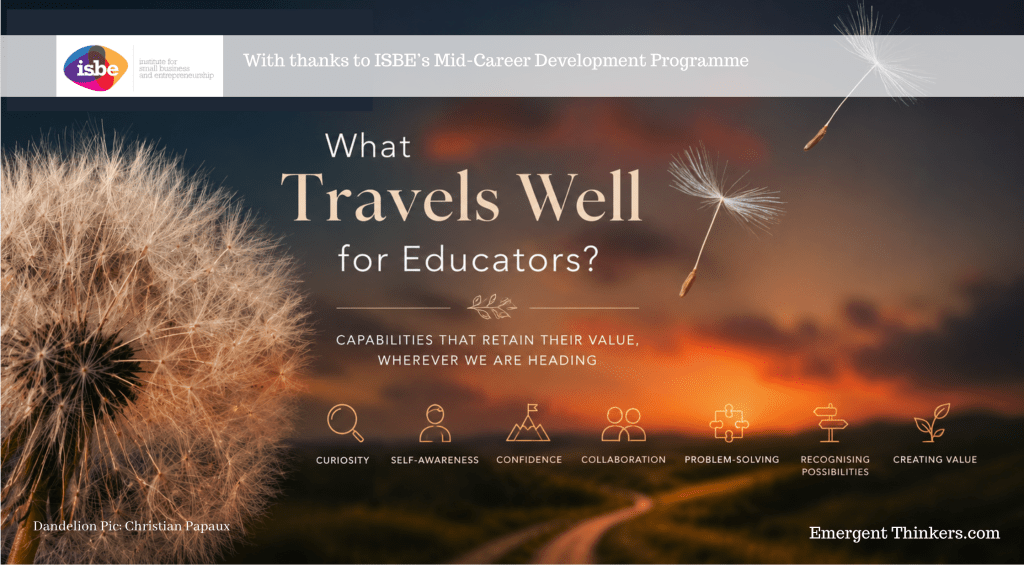
With so much discussion about AI, emerging skills and the future of work, I try not to frighten anyone about what lies ahead. Jobs may look very different in five or ten years, which makes developing transferable capabilities all the more important. My own career has hardly followed a straight line, from continuous improvement at Unipart through Amazon, local government and universities to my own ventures. And the lessons I learned alongside Lao Tong continue to surface in places I could never have anticipated.
What has been especially heartening recently is seeing how many people are behind this learning. Teachers, lecturers, careers teams, employers, local practitioners and fellow role models are all helping young people connect what they learn with the world around them, often quietly and over many months. It takes a community to nurture entrepreneurial thinking, and I am glad to be part of it.
So while Global Entrepreneurship Week rightly celebrates new ventures and achievements, I’m spotlighting the people and relationships that help young people see what they’re capable of. If the world really does need what young people build, part of our job is to help them notice what they are building already.
If you work in a school or college and would like to explore entrepreneurial learning with your students, through Big Ideas Wales or directly with Emergent Thinkers, I’d be delighted to hear from you.
Happy Global Entrepreneurship Week!
#GlobalEntrepreneurshipWeek #GEW2026 #BigIdeasWales #EntrepreneurialLearning #HarmoniousEntrepreneurship


Leave a Reply